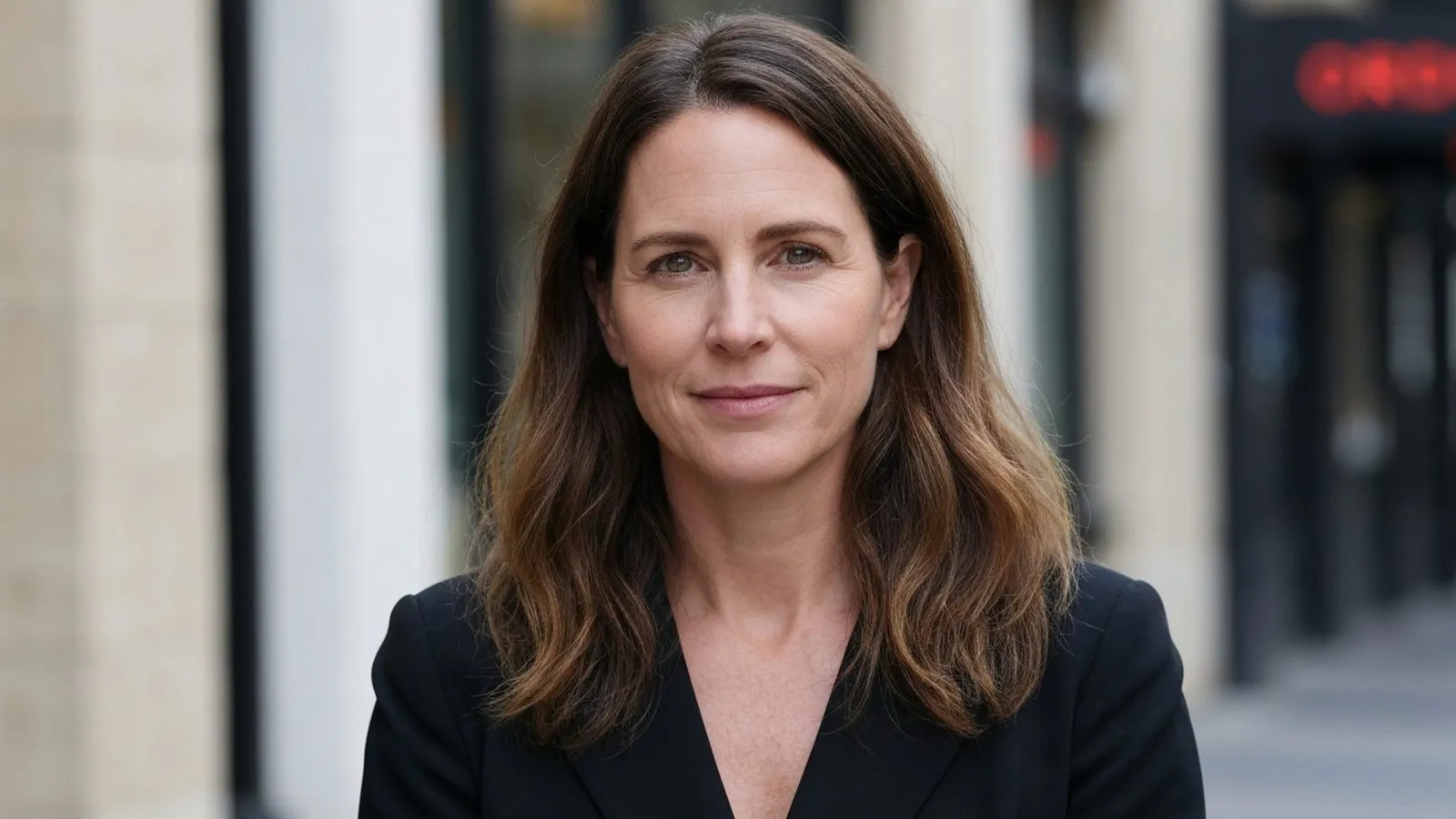
Recent Airbnb advertising campaigns have used memorable music to connect with UK audiences. The most prominent song featured in the ‘Made possible by Hosts’ campaign is a cover of the Fleetwood Mac classic ‘Landslide’, performed by British singer-songwriter Robyn Sherwell.
The ‘Made Possible by Hosts’ Campaign: A Closer Look
In 2021, Airbnb launched a major global advertising campaign titled ‘Made possible by Hosts’ which also ran across UK television and digital platforms. The campaign’s strategy was to move away from elaborate productions and focus on authentic user experiences, using slideshows of photos from real guest stays to create an emotional connection.
The Song: A Cover of Fleetwood Mac’s ‘Landslide’
The music for one of the campaign’s most recognised adverts is a cover of the song ‘Landslide’. The version used is by British singer-songwriter Robyn Sherwell. The original song was written by Stevie Nicks and appeared on Fleetwood Mac’s hugely successful 1975 self-titled album. Nicks wrote the song at a personal and professional crossroads, contemplating her future, and its reflective and emotional tone has made it a popular choice for cover versions.
The advert itself features a series of still photographs from a family’s weekend trip to the New England coast in the US, reinforcing the campaign’s themes of creating personal memories and staying close to loved ones.
The Campaign’s Message
The ‘Made possible by Hosts’ campaign aimed to highlight the unique stays and personal touches that hosts provide, differentiating Airbnb from traditional hotels. By showcasing genuine photo albums from travellers, the adverts sought to evoke a sense of nostalgia and authenticity, suggesting that these memorable trips are enabled by the platform’s community of hosts.
How Brands Like Airbnb Legally Use Music in UK Adverts
Using a well-known song like ‘Landslide’ in a national advertising campaign is a complex process that goes beyond simply paying a fee. It requires obtaining the correct legal permissions through a system known as music licensing.
Understanding Synchronisation Licensing
When a company wants to use a piece of music in combination with visual media, such as a television advert, they must secure a synchronisation licence, often shortened to ‘sync licence’. This licence grants the advertiser permission to pair the song with their moving images. Without it, using the music would be a breach of copyright.
The Two Copyrights in Every Song
For any single piece of recorded music, there are two distinct sets of rights that must be licensed:
- The Composition: This refers to the song itself,the melody, lyrics, and structure. These rights are owned by the songwriter(s) and their music publisher.
- The Master Recording: This is the specific recording of that song. The rights to this recording are typically owned by the artist who performed it and their record label.
To use Robyn Sherwell’s version of ‘Landslide’, Airbnb’s advertising agency would have needed to negotiate a licence with the owners of both the original composition (Stevie Nicks and her publisher) and the master recording (Robyn Sherwell and her record label).
The Role of UK Music Licensing Bodies
In the United Kingdom, the process of clearing these rights is managed by the rights holders themselves, often with the help of two main music collecting societies:
- PRS for Music: This organisation represents songwriters, composers, and music publishers. It collects royalties on their behalf whenever their music is used commercially, including in advertising sync licences.
- PPL: PPL represents performers and record companies. It licenses the use of recorded music and collects royalties for the owners of the master rights.
Securing a sync licence for a major advertising campaign involves direct negotiation with the publishers and labels, who determine the fee based on factors like the campaign’s duration, the territories where it will air (e.g., UK only or global), and the media used (TV, online, etc.).
Comments
0 comments
Loading comments…