
How to check how much data you have left on O2
Three simple ways to check your remaining O2 data allowance: the My O2 app, your online account, or a free text to 2020. Step-by-step guide for UK customers.
How much things really cost in the UK
Up-to-date prices for everyday products, services and experiences in Britain. Fact-checked against official sources, updated regularly, with currency converters and quick-math calculators on each guide.
MoneySavingExpert warns £17 million in Tesco Clubcard vouchers expire this week. Here is how to check, use, or extend yours before the deadline.
Three simple ways to check your remaining O2 data allowance: the My O2 app, your online account, or a free text to 2020. Step-by-step guide for UK customers.

Nationwide has confirmed its 2026 Fairer Share payment of £100 for qualifying members. Here is who is eligible and when the money will arrive.

Vodafone picture messages cost 70p in the UK from April 2025, rising further in 2026. Find out current MMS charges and how they compare to text messages.

Olympic-sized curling stones cost over £300 in the UK, though used stones are cheaper on eBay. Miniatures start from £14. May 2026 pricing guide.

Hiring a Wembley Stadium room or suite starts from around £6,500, rising to £17,500 for larger event halls. Full stadium hire reaches the $400,000 range.
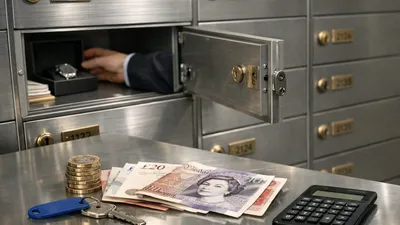
Safety deposit box rental costs in the UK range from £60 to £475 per year in 2026, depending on size and provider. Metro Bank, Halifax and regional vaults compared.
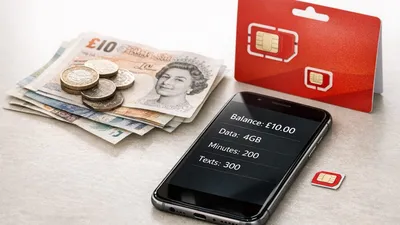
Vodafone Pay as You Go costs from £2 daily in May 2026, with a £10 monthly 7GB plan available. Compare prices and allowances here.

The Sun newspaper costs £1.20 from June 2026, up from £1.10. Find current cover prices, subscription deals saving 10%, and digital options from 69p monthly in 2026.

Timpson passport photos cost £12.99 in-store for adults and children in May 2026, or £6.95 online. Visa photos are £14.99, with photobooths from £6.

Refilling a propane gas bottle in the UK costs from £23.00 for a 5kg BBQ cylinder up to £92.00 for a 46kg bottle, based on May 2026 retailer prices.
Prices in the UK have shifted sharply over the past few years, and the gap between what people expect to pay and what they actually find at the till has rarely been wider. Whether you are budgeting for a household service, planning a trip abroad, or simply trying to work out whether a quote is fair, having a reliable reference point matters. This section gathers cost guides across a wide range of everyday and specialist spending, from transport tickets to professional fees to niche purchases most price comparison sites ignore.
The Office for National Statistics tracks headline inflation through the Consumer Prices Index, which peaked at 11.1% in October 2022 before falling back toward the 2% target by 2024, but that aggregate figure masks enormous variation at the product level. Some categories, including food, energy, and services, have seen cumulative price rises well above the headline rate, while others have stayed flat or even fallen. Understanding where your own spending sits within that picture is more useful than any single inflation number.
The guides collected here are researched from primary sources: official pricing pages, regulator data, trade bodies, and direct retailer information. They are updated when prices change, so if you have arrived looking for a specific figure, the numbers you find should reflect what you would actually pay today rather than what something cost two or three years ago.
Some of the most-searched cost questions in the UK are deceptively simple: how much does a newspaper cost, what does a passport photo set you back, what is the going rate for a bag of tobacco abroad. These are not trivial questions. A daily newspaper habit adds up to several hundred pounds a year, and knowing the current cover price versus a subscription deal can make a real difference. For example, The Sun moved to £1.20 per copy from June 2026, up from £1.10, though digital subscribers pay considerably less, the full breakdown is covered in {post:how-much-does-the-sun-newspaper-cost-discover-the-latest-prices-and-deals}.
Passport photos are another area where the price varies more than most people realise. High street options range from automated booths to staffed counters, and the difference in cost is not always matched by a difference in quality or compliance with Home Office specifications. Timpson charges £12.99 in-store as of May 2026, with a cheaper online route available, see {post:how-much-does-timpson-charge-for-passport-photos-in-the-uk-find-out-now} for the full comparison including visa photo pricing.
Mobile phone costs in the UK are regulated in part by Ofcom, which publishes an annual Connected Nations report and monitors wholesale and retail pricing. Pay-as-you-go tariffs have changed significantly since the days of fixed per-minute charges, with most major networks now offering daily or monthly bundles instead. Vodafone's pay-as-you-go pricing starts from £2 per day in 2026, though the value calculation depends heavily on how frequently you use the phone, the full structure is set out in {post:how-much-is-vodafone-pay-as-you-go}.
One cost that catches people out is picture messaging, which many assume is included in standard plans. Vodafone charges 70p per MMS in the UK from April 2025, a figure that has risen further into 2026 and sits well above what most consumers would expect given that standard SMS is effectively free on most contracts. The detail behind that charge, and how it compares to alternatives, is covered in {post:how-much-are-picture-messages-on-vodafone}.
Service costs are among the hardest to benchmark because they vary by region, practitioner experience, and the specific treatment involved. Chiropody is a good example: a basic nail-cutting appointment costs around £25 in many parts of the UK, but specialist treatments such as laser fungal nail therapy can reach £270 at private clinics. The Society of Chiropodists and Podiatrists does not publish a recommended fee schedule, so consumers are largely reliant on local research. The full range of current charges is set out in {post:how-much-do-chiropodists-charge-discover-the-cost-of-foot-care-services-in-the-uk}.
At the other end of the scale, venue hire represents some of the largest single-event costs a UK consumer or business might encounter. Wembley Stadium is the country's most iconic hire venue, and its pricing reflects that status: smaller function rooms start from around £6,500, while a full stadium event can cost £400,000 or more. Those figures cover the hire fee only and exclude production, catering, and licensing costs, which can multiply the total significantly.
For UK travellers, one of the most consistent cost questions is what everyday goods cost in popular holiday destinations compared to home. Tobacco is a particularly searched category because the price differential between the UK and southern Europe is substantial. UK duty and taxation mean a pack of 20 cigarettes retails at well over £14 in 2024 according to HM Revenue and Customs tobacco duty statistics, while the same pack costs a fraction of that in Portugal or the Canary Islands. Prices in Tenerife and Portugal are covered in detail across several guides, including {post:how-much-are-cigarettes-in-tenerife-find-out-the-latest-prices-here} and {post:how-much-is-tobacco-in-portugal-your-guide-to-saving-money-on-cigarettes}.
Domestic transport costs are equally variable. Blackpool's heritage tram network, for instance, charges £3.00 for a standard adult single from March 2026, with day saver and family ticket options available. That sits within a broader picture of rising public transport fares: the UK government's annual regulated rail fare increase, typically applied each January, has consistently outpaced general wage growth in recent years according to the Office of Rail and Road's passenger revenue statistics.
Not every cost question comes from a consumer context. Farmers, smallholders, and rural businesses regularly search for current commodity and supply prices that mainstream price comparison sites do not cover. Hay bale prices in the UK fluctuate with harvest quality, fuel costs, and regional supply. In May 2026, small bales were selling from around £5.50 and large round bales from £19.50, though prices vary considerably by region and whether the buyer collects or requires delivery. The Agriculture and Horticulture Development Board publishes regular feed price surveys that provide a useful cross-reference.
Gas bottle refill costs follow a similar pattern of regional variation and supplier dependency. As of May 2026, a 5kg refill costs from around £23 while a 46kg cylinder runs to approximately £92, with Calor and Flogas being the dominant UK suppliers. These prices are relevant not just to agricultural users but to the significant number of UK households that rely on LPG rather than mains gas, a group that OFGEM estimates at around 1.5 million homes.
Cost guides are not only about what things cost to buy. Many readers arrive searching for earnings benchmarks: what does a particular job pay, how much do media personalities earn, what is a realistic salary in a niche profession. These questions matter for career decisions, salary negotiations, and understanding the economics of industries that are rarely transparent about pay. Sports is one area where published figures are scarce. Netball Super League players earned just £7,500 per season in 2024, a figure that rose by around 60% for the 2025 relaunch of the league, though it still compares poorly to equivalent professional sports abroad.
Broadcast media salaries attract similar interest. TalkSport presenter Simon Jordan is estimated to earn between £150,000 and £250,000 annually as of 2026, while Laura Woods commanded around £250,000 before moving to TNT Sports. These figures are drawn from industry sources and are estimates rather than confirmed disclosures, since UK private sector employers are not required to publish individual salaries. The BBC is an exception: it publishes the pay of on-air talent earning above £150,000 under its royal charter obligations, providing a useful public benchmark for broadcast earnings.
Look for a clear publication or review date on the page, and check whether the source cited is a primary one such as an official retailer page, a government publication, or a regulator's dataset. Guides that rely on aggregated third-party data without a date stamp should be treated with caution, particularly in categories where prices change frequently.
Not always. Some prices are nationally standardised, a newspaper cover price or a mobile network tariff, for example, while others vary significantly by region. Professional service fees such as chiropody or tradesperson rates tend to be higher in London and the South East than in other parts of England, Scotland, Wales, and Northern Ireland.
According to the Office for National Statistics, cumulative CPI inflation between January 2020 and the end of 2024 was approximately 25%, meaning something that cost £100 in early 2020 cost around £125 by the end of 2024 on average. Food and energy rose considerably more than that average over the same period.
UK customs rules allow travellers returning from non-EU countries to bring in 200 cigarettes or 250g of rolling tobacco duty-free. Amounts above that threshold are subject to UK duty and VAT. HMRC publishes the current allowances on gov.uk, and the rules have not changed materially since the UK's departure from the EU single market.
Annual rental fees range from around £60 for a small box to £475 or more for a large one, depending on the provider and location. Metro Bank and specialist vault operators are among the main options, and pricing varies by box size and the level of insurance cover included. The full breakdown is at {post:how-much-does-it-cost-to-rent-a-safety-deposit-box-in-the-uk-find-out-now}.
The ONS Annual Survey of Hours and Earnings (ASHE) is the most comprehensive public source of UK earnings data, broken down by occupation, sector, region, and full-time versus part-time status. It is published each autumn and covers both median and mean earnings, making it useful for benchmarking individual salaries against national figures.
A standard 50-litre barrel of Guinness costs around £194 in 2026, while 30-litre kegs start from approximately £122.94. Prices vary by brand, supplier, and whether you are buying wholesale or retail, and do not include the cost of dispense equipment. Full pricing detail is at {post:how-much-is-a-barrel-of-beer-in-the-uk-find-out-the-latest-prices-and-get-your-pints-ready}.
A Grounds Pass for Wimbledon, which gives access to Henman Hill (officially Murray Mount) and the outside courts, costs £20 in 2026. It is the most affordable way to attend the Championships and does not require a ballot, though queues can be long on popular days. Full details are at {post:how-much-does-it-cost-to-sit-on-henman-hill}.
Knowing what something costs is rarely as simple as it sounds. Prices shift with inflation, supplier decisions, seasonal demand, and regulatory change, and the figure quoted on a comparison site six months ago may bear little relation to what you will actually pay today. The guides in this section are built around primary sources and reviewed when material price changes occur, so they are intended to be a working reference rather than a static snapshot.
If you are researching a cost that does not yet appear here, the most reliable starting points remain the official source, a retailer's own pricing page, a government tariff schedule, or a regulator's published data, rather than aggregated price comparison tools, which sometimes lag behind real-world changes by weeks or months. Where those primary sources are hard to interpret, the guides here aim to do that work and present the relevant numbers plainly.