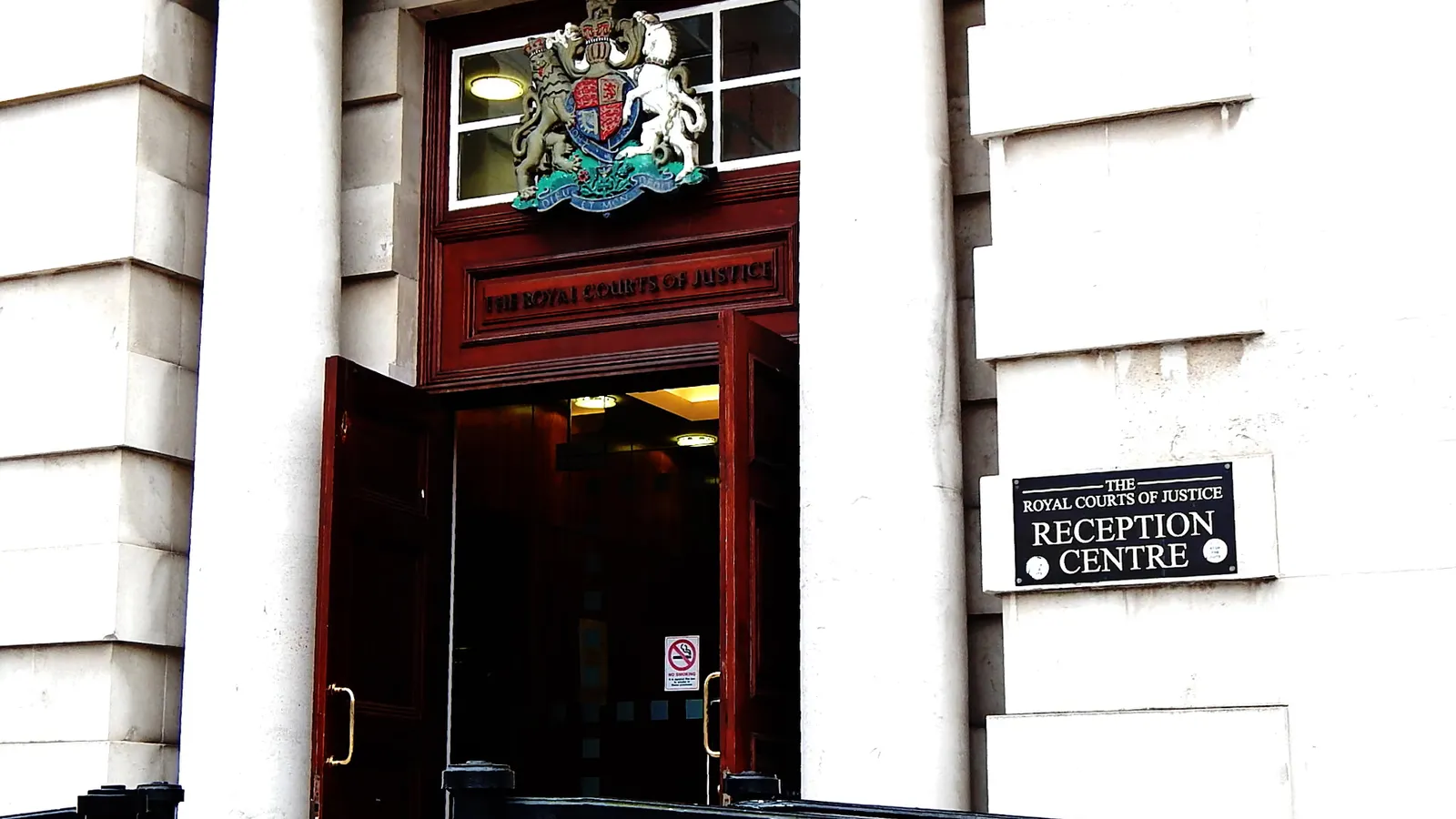
Why the BBC is covering rising debt court cases now
On 22 May 2026, BBC Business published both a video explainer and a written article examining why unpaid debt court cases are increasing across the UK. Personal finance commentator Laura Pomfret contributed the written piece, which walks consumers through County Court Judgements (CCJs), Scottish decrees, and the practical consequences of letting a debt reach the courts.
The BBC’s coverage arrives at a time when cost-of-living pressures, higher interest rates on personal loans and credit cards, and a general tightening of household budgets have all combined to push more consumers into arrears. While the BBC’s full dataset and specific figures are pending broader verification, the editorial focus reflects data trends that debt charities and the Registry Trust have been tracking for several years.
What a CCJ or decree actually is
A County Court Judgement is a formal court order issued in England and Wales. It confirms that a court has found you owe a debt and that you have not repaid it within the time allowed. In Scotland, the Sheriff Court issues an equivalent order called a decree. In Northern Ireland, similar orders are made by the county courts there.
The key details consumers need to understand are:
- A CCJ is registered on the Register of Judgements, Orders and Fines, which is publicly searchable.
- It appears on your credit file for six years from the date of the judgement.
- Creditors, landlords, employers and mobile network operators can check the register as part of a credit or background check.
- Enforcement options available to creditors after a CCJ include bailiff action, an attachment of earnings order, or a charging order on property.
Citizens Advice sets out the full process at citizensadvice.org.uk/debt-and-money/court-action-for-debt/.
Why cases are rising: the broader context
Debt charities and the Registry Trust have noted year-on-year increases in CCJ volumes in recent years, driven by several converging factors. These include higher rates on unsecured borrowing such as credit cards and personal loans, the end of various cost-of-living support schemes, and a rise in buy-now-pay-later usage that some consumers have struggled to manage.
Creditors including utility companies, lenders, local councils and telecoms providers can all initiate County Court claims. As arrears accumulate across more households, the volume of formal court claims rises in turn. The BBC’s investigation highlights that this is not simply a story about a small number of heavily indebted individuals: it reflects a broader shift in how personal debt is being enforced across the UK.
Specific figures from the BBC’s dataset are pending verification from the Registry Trust’s published records, which are available at registry-trust.org.uk.
The consumer impact of a CCJ on everyday life
The consequences of a CCJ extend well beyond the original debt. Because the judgement appears on your credit file and the public register, it can affect:
Credit and borrowing. Most mainstream lenders will decline applications for mortgages, personal loans and credit cards from applicants with an unsatisfied CCJ. Even some credit unions and specialist lenders will charge significantly higher rates.
Renting a home. Letting agents routinely run credit checks that include CCJ searches. A judgement on your file can result in a rental application being refused or a larger deposit being demanded.
Mobile phone contracts. Network operators including Vodafone, EE, O2 and Three conduct credit checks for postpaid contracts. A CCJ can result in a declined application or a restriction to SIM-only or pay-as-you-go options. For more on how debt affects your mobile options, see our guide to managing your mobile contract during financial difficulty.
Employment. Some employers, particularly in financial services or roles requiring security clearance, check the public register as part of pre-employment screening.
What to do if you receive a court claim form
Receiving a claim form through the post is alarming, but the worst thing you can do is ignore it. The standard process in England and Wales is as follows.
- Check the deadline. The form will state how many days you have to respond. For most County Court claims this is 14 days to file an acknowledgement of service and 28 days from the date of service to file a full defence.
- Decide whether you owe the debt. If the debt is yours and you owe the amount, consider contacting the claimant to negotiate a repayment plan before the court date. If you dispute the debt, file a defence within the deadline.
- Do not miss the deadline. If you do nothing, the claimant can apply for a default judgement, which is entered without a hearing and is harder to challenge later.
- Seek free advice immediately. StepChange, Citizens Advice and National Debtline can all help you understand your options before the deadline passes.
HM Courts and Tribunals Service guidance is available at gov.uk/respond-to-court-claim-for-money.
How to reduce the impact once a CCJ is registered
If a CCJ has already been entered against you, there are still steps you can take to limit its impact.
Pay within one month. If you pay the full amount within one calendar month of the judgement date, you can apply for a certificate of cancellation. This removes the entry from the public register entirely. You apply using form N443 from HMCTS.
Pay after one month. The CCJ will remain on the register and your credit file for the full six years but will be marked as “satisfied.” Lenders view a satisfied CCJ more favourably than an outstanding one.
Apply to set aside. If you were not properly served with the claim form, or if you have a genuine defence you were unable to raise at the time, you can apply to the court to have the judgement set aside. This involves a court fee (currently around £30 for an online application, subject to change) and is at the judge’s discretion. StepChange explains this process at stepchange.org/debt-info/county-court-judgement.aspx.
Laura Pomfret’s explainer: key points for BBC readers
Personal finance commentator Laura Pomfret contributed a dedicated article to BBC Business on 22 May 2026 covering CCJs, decrees and unpaid court debts. Her piece is aimed at consumers who may be unfamiliar with how the court debt process works and what it means in practice.
The BBC article is available at bbc.com/articles/cvgz58g1q2jo. The accompanying video explainer, which addresses why cases are rising, is at bbc.com/videos/c86dy4448x4o.
Pomfret’s output as a personal finance communicator typically focuses on making financial processes accessible to consumers who have not previously encountered them, which is consistent with the BBC’s editorial approach to this topic.
Where to get free debt help in the UK today
If you are concerned about debt, arrears or a potential court claim, the following organisations offer free and impartial advice. None of them are commercial debt management companies, and they will not charge you for initial guidance.
- StepChange Debt Charity: 0800 138 1111 or stepchange.org
- Citizens Advice: citizensadvice.org.uk or your local Citizens Advice bureau
- National Debtline: 0808 808 4000 or nationaldebtline.org
- MoneyHelper (Money and Pensions Service): moneyhelper.org.uk or 0800 138 7777
- Shelter (if debt is putting your housing at risk): shelter.org.uk
Action Fraud is the relevant reporting body if you believe a debt claim against you is fraudulent or involves an impersonation scam: actionfraud.police.uk or 0300 123 2040.
For further reading on protecting yourself from financial and mobile-related enforcement issues, visit our consumer protection hub.
Comments
0 comments
Loading comments…