Martin Lewis and Which? have publicly accused the UK Government of letting Big Tech profit from scam adverts that now fuel almost half of all crime in Britain. In an open letter to Prime Minister Keir Starmer dated 19 May 2026, the founder of MoneySavingExpert and the Chief Executive of Which? say the Fraud Strategy and the Online Safety Act are failing to do what the Prime Minister himself promised they would do.
This article walks through what the letter actually says, the numbers it cites, why Martin Lewis took this personally, and the UK channels that work today if you spot or fall for a scam ad on your phone.
What the open letter says
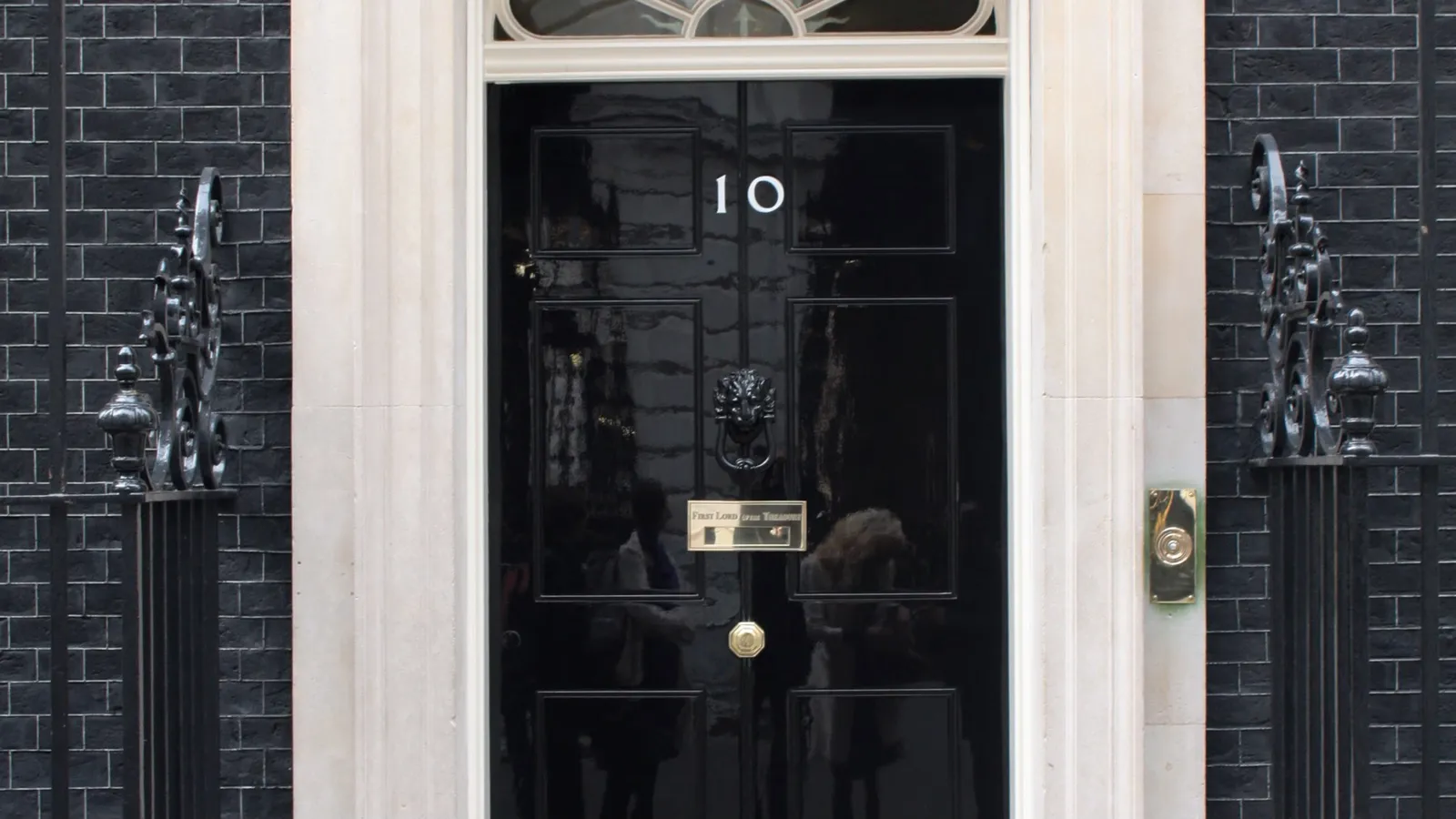
The letter, published on the MoneySavingExpert news desk on Tuesday 19 May 2026, is co-signed by Martin Lewis (MoneySavingExpert) and Anabel Hoult (Chief Executive, Which?). It is addressed directly to the Prime Minister and lays the responsibility for inaction at the door of Number 10.
The strongest passage in the letter reads:
By failing to hold Big Tech firms accountable through the Fraud Strategy and the Online Safety Act, we’re concerned the Government is giving these platforms free rein to continue profiting from the financial and emotional harm scams cause.
The signatories ask the Prime Minister to use the existing Fraud Strategy and the Online Safety Act to impose legal duties on platforms, rather than continue with voluntary codes that, in their view, have not stopped the volume of scam adverts reaching UK users.
The promise the Prime Minister is not keeping
The letter sits on top of a specific public commitment the Prime Minister made about Big Tech accountability:
If you profit from harm and abuse, you lose the right to self-regulate.
That line was used by Keir Starmer in the context of harmful deepfake content on social platforms. Lewis and Hoult argue that the same standard is not being applied to scam adverts, which are also paid placements that platforms profit from directly.
The numbers behind the warning
The case in the letter is not abstract. It is built on four figures that, taken together, explain why Martin Lewis and Which? are pushing this hard now.
The numbers come from the letter itself, from Action Fraud reporting, and from UK Finance’s authorised push payment fraud figures for the first half of 2025. The signatories point out that the £3.8 billion ad revenue figure, which platforms earn from scam ads targeted at European users, is bigger than the entire annual budget of some UK Government departments.
Why Martin Lewis took this personally
If you have used Facebook, Instagram or Google search in the UK in the last two years, you have probably seen an ad with Martin Lewis’s face or name on it. He didn’t put it there. He has not endorsed any of them.
Action Fraud data cited by MoneySavingExpert puts losses from scams that impersonate Martin Lewis at around £20 million, and he is the public figure most frequently used in UK celebrity scam advertising. The methods include:
- AI-generated deepfake video showing a fake Martin Lewis recommending a trading platform such as Quantum AI. These ads have appeared in Google search results, on Facebook and Instagram, and forwarded through WhatsApp groups.
- Cloned websites that copy the MoneySavingExpert look and feel, sometimes with fake user accounts that initiate private chats and ask the victim to send money for a so-called “exclusive investment opportunity”.
Lewis has called this pattern “a deliberate perversion of my name, reputation and work by organised criminals”, and in 2026 has said publicly that the situation is “worse than ever”. This is the context for the line in the letter about platforms continuing to profit from “financial and emotional harm”.
How to report a scam ad today
If you see a scam advert on your mobile, or you have already engaged with one, you have four useful UK channels. Do not rely on a single report. Each channel does something different.
1. Report it in the app, on the platform
The platforms have their own reporting tools. Use them first, because they generate an internal record.
- Facebook or Instagram (Meta). Tap the three dots on the ad, choose Report ad, then select Scam or fraud. Provide a screenshot if asked.
- TikTok. Tap the three dots on the video, choose Report, then Scams and fraud.
- Google search or YouTube. Click the small information icon next to the ad, choose Report this ad, and pick the reason that fits. Google says most reports are reviewed within one working day.
- X (formerly Twitter). Use the three dots on the post and report as Scam or fraud.
In-app reports usually result in the specific ad being removed if the platform’s automated review agrees. They do not always stop the advertiser from running a near-identical ad the next day.
2. Report it to the Advertising Standards Authority (ASA)
The ASA is the UK regulator for advertising. Their dedicated scam ad form is at asa.org.uk/make-a-complaint/report-an-online-scam-ad.html.
The ASA does not just review your complaint internally. They send the details to Meta, Google, TikTok and Snap as part of a sharing agreement, and the case feeds into the National Cyber Security Centre’s takedown intelligence. This is the route that gives a UK regulator visibility on the pattern of scam ads, which is what the letter to the Prime Minister is asking the Government to act on.
3. Report it to Action Fraud, especially if money was lost
Action Fraud is the UK’s national reporting centre for fraud and cybercrime. You can report online at any time, or call 0300 123 2040 between 8am and 8pm Monday to Friday.
This is the most important route if you have already lost money or shared bank details. Action Fraud passes cases to the National Fraud Intelligence Bureau, and a reference number is useful evidence when you contact your bank for reimbursement.
4. Contact your bank if money has moved
If you authorised a payment because of a scam ad, you may be entitled to reimbursement under the Payment Systems Regulator (PSR) Authorised Push Payment scheme, which has been in force since October 2024. The protection has a £85,000 cap per claim in most cases. Banks have an explicit duty to investigate, and the PSR keeps statistics on which banks reimburse most often.
The earlier you contact the bank, the better the chance of pausing the transfer.
Where this leaves UK consumers
The letter does not change the law on its own. What it does is make it harder for Number 10 to ignore the gap between the Prime Minister’s own words about Big Tech and the current pace of enforcement. With Online Safety Act codes for scam advertising delayed until 2027, the gap is the story.
For now, the practical position for UK mobile users is the same as before the letter. Big Tech platforms remove scam ads when they are reported and when their automated systems catch them. They keep accepting ad money from advertisers running new ones the next day. The four-channel report routine above is the strongest current defence.
If a public response from the Prime Minister or from the named platforms is published, we will update this article. For ongoing patterns and new variants, our Mobile scams hub covers smishing, vishing and WhatsApp impersonation cases with the same UK report channels at the end of each guide.
Related deep dives in our scam coverage that complement this story:
- Fake Vodafone bill SMS scam, a worked example of brand impersonation on UK mobiles.
- Bank suspicious activity call scam, where the same vishing technique drives the kind of APP fraud cited in the letter.
- HMRC tax refund SMS scam, another case where official channels do not initiate contact by text.
Comments
0 comments
Loading comments…