


In 2026, the most visible smart meter advertising campaign in the UK features broadcaster Ross Kemp. The campaign is part of the national rollout effort coordinated by Smart Energy GB, the government-backed body responsible for promoting smart meters in Great Britain.
This national campaign runs alongside separate commercial adverts from individual energy suppliers. Previously, a well-known campaign from supplier OVO Energy featured actor Hugh Laurie. Understanding the difference between these two types of advertising is key to knowing who is asking you to get a smart meter, and why.
The National Campaign: Smart Energy GB
The main, overarching advertising campaign is run by Smart Energy GB, a not-for-profit organisation funded by energy suppliers under government direction. Its purpose is to raise public awareness about the benefits of smart meters and to encourage people to request an installation from their energy provider.
In January 2026, Smart Energy GB launched a campaign starring Ross Kemp alongside its recurring CGI character of Albert Einstein. The campaign’s message focuses on how smart meters enable access to flexible energy tariffs, which can offer cheaper electricity at off-peak times, such as during the day or on weekends. By showing someone known for ‘doing things the hard way’ finding it easy, the campaign aims to address public perceptions that using energy flexibly is inconvenient.
Supplier-Specific Adverts: The Role of Energy Companies
Individual energy suppliers, such as OVO Energy, E.ON, and British Gas, run their own commercial advertising campaigns. These are separate from the national effort and are designed to persuade their own customers to adopt a smart meter. A notable past example was OVO Energy's campaign featuring actor Hugh Laurie, which positioned the smart meter as a tool for gaining control over energy bills.
While Smart Energy GB’s advertising focuses on general benefits for the country and consumers, a supplier’s advert is a commercial proposition. Its goal is to get its own customers to book an installation, helping the supplier meet its government-mandated rollout targets.
The UK Smart Meter Rollout: Latest Figures
The smart meter rollout is a major upgrade to the UK's energy infrastructure. According to the latest official statistics from the Department for Energy Security and Net Zero, progress is substantial.
By the end of December 2025, there were 41 million smart and advanced meters in homes and small businesses across Great Britain. This means 71% of all meters are now smart or advanced. Of these, over 37 million (or 65% of all meters) were operating in ‘smart mode’, meaning they are automatically sending readings to suppliers.
It is important to note that this rollout applies to Great Britain (England, Scotland, and Wales). Northern Ireland has a separate energy market, and its smart meter rollout is scheduled to begin in 2028.
How to Get a Smart Meter Installed
All licensed energy suppliers in Great Britain are required to offer their customers a smart meter. The process is straightforward and is provided at no extra cost.
Step 1: Check Your Eligibility and Make a Request
You can request a smart meter directly from your energy supplier. Most suppliers, like OVO Energy, allow you to book an appointment through your online account or via their app. If you are renting, you have the right to request a smart meter as long as you are the one who pays the energy bills. It is advisable to inform your landlord before an installation.
Step 2: The Installation Process
Your supplier will book an appointment for a qualified engineer to visit your home. The process itself is relatively quick.
- Duration: An engineer’s visit is typically booked in a four-hour slot. The installation itself usually takes about 75 minutes for a single meter (electricity or gas) or around 100 minutes for both.
- Preparation: You will need to ensure the engineer has clear and safe access to your existing meters.
- During the Visit: Your power will be turned off for a short period during the installation. Afterwards, the engineer will show you how your new smart meter and in-home display (IHD) work and offer energy efficiency advice.
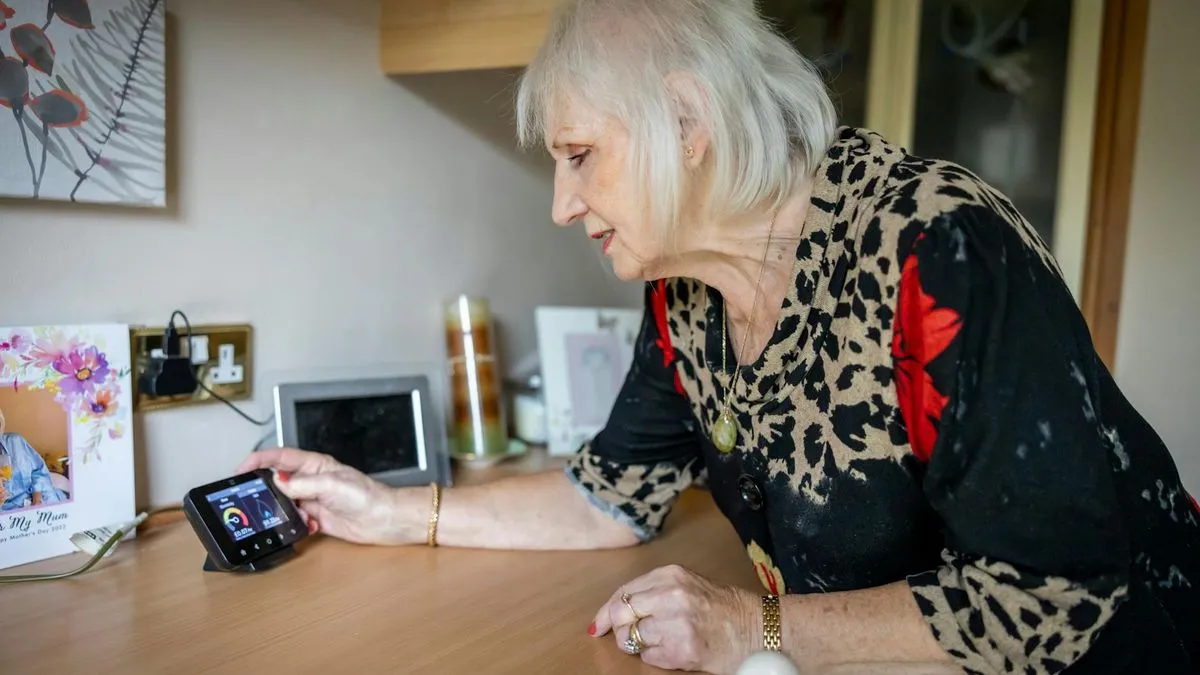
The IHD is a small screen that shows you in near-real time how much energy you are using in pounds and pence, helping you to identify ways to reduce consumption.
Comments
0 comments
Loading comments…