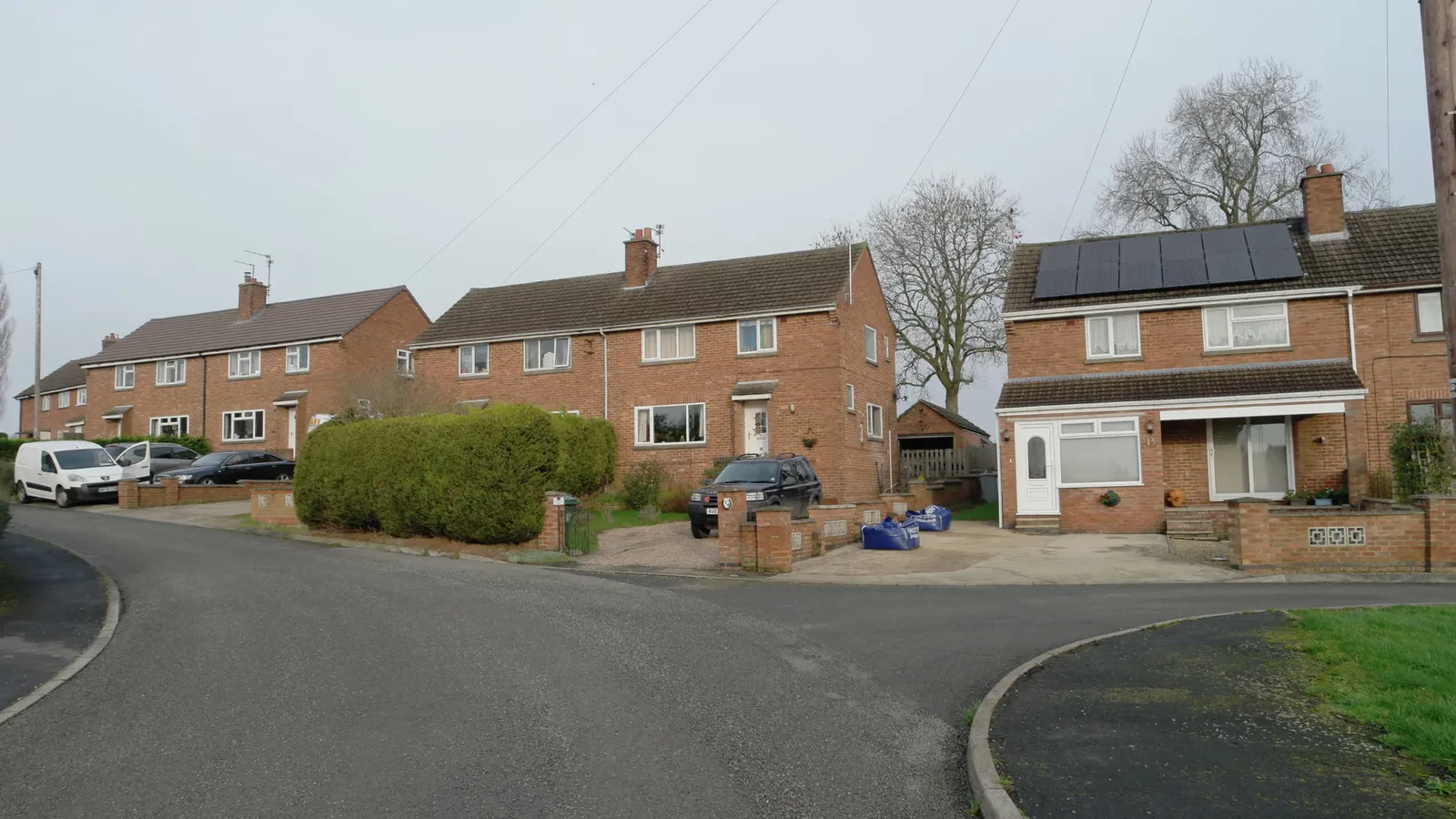
Yes, you can claim UK benefits if you own your home outright. Your main residence is excluded from the capital calculation for Universal Credit and other means-tested benefits, so owning it does not disqualify you. Non-means-tested benefits such as PIP, New Style JSA, contribution-based ESA, Carer's Allowance and State Pension are not affected by property or savings at all.
The detail matters: it depends on which benefit you are claiming and on whether you own additional property beyond the one you live in.
Does owning a house affect means-tested benefits?
The means-tested benefits in the UK (Universal Credit, Housing Benefit, income-based JSA, income-related ESA, Pension Credit) all use a capital limit to decide entitlement. Universal Credit's upper capital limit is £16,000. Above that figure, you get nothing. Between £6,000 and £16,000, your award is reduced by a "tariff income" of £4.35 per month for every £250 of capital above £6,000, according to gov.uk.
Crucially, your main home is excluded from the capital calculation. It does not matter whether you own it outright, have a mortgage, or rent. The value of the property you actually live in does not count against you.
What does count as capital?
According to Citizens Advice, capital for Universal Credit purposes includes:
- Cash savings in current accounts, savings accounts and ISAs
- Premium Bonds, investment bonds and shares
- Second properties (including buy-to-let)
- Property you own abroad
- Inherited property that you do not live in
- Money owed to you that is recoverable
It does not include:
- The home you live in (your main residence)
- Personal possessions (car, furniture, jewellery for personal use)
- Pension pots you have not started drawing
- The value of a business if you are self-employed
What about PIP, Carer’s Allowance and other non-means-tested benefits?
PIP (Personal Independence Payment), Carer's Allowance, New Style JSA, contribution-based ESA, Attendance Allowance, Child Benefit and State Pension are not means-tested. According to gov.uk's PIP eligibility page, awards are made on the basis of your disability, your National Insurance contribution record, your caring responsibilities or your age, not on your income or what you own.
This means you can own your home outright, have substantial savings, and still claim PIP if you meet the medical criteria. The same applies to Carer's Allowance, although there is a small earnings cap if you are working alongside caring duties.
I own a second property. What happens?
Second homes, buy-to-let properties, holiday lets and inherited property where you do not live count as capital at their market value minus 10% for selling costs and any outstanding mortgage. If the net value of that property pushes your total capital above £16,000, you lose Universal Credit entitlement entirely.
There is a 26-week disregard if you are trying to sell a property. During that period the DWP ignores the property's value for the capital test, giving you time to complete the sale. Citizens Advice can advise on extending the disregard if the sale is genuinely delayed.
What if my property is abroad?
Property you own outside the UK is treated the same way as a second property in the UK for capital purposes. The DWP will ask for an estimate of its market value in pounds. Currency conversion is usually based on the official rate on the date of the claim.
Practical tip: if you own property in the EU or elsewhere, get a written valuation from a local estate agent before submitting your claim. Disputes about overseas property valuations are one of the more common reasons for benefit decisions to be reviewed.
I inherited a house and do not live in it
An inherited property you do not live in counts as capital from the day you inherit it. There is no automatic disregard period. If your total capital (the inherited property plus other savings) exceeds £16,000, your Universal Credit stops until the position changes (typically when you sell or move into the property).
This is one of the most common situations where people lose entitlement without realising. If you have just inherited, it is worth speaking to Citizens Advice or a welfare rights adviser before the next UC assessment period.
Do I have to sell my house to claim benefits?
No. The DWP cannot force you to sell your main home to claim any UK benefit. The rule that your primary residence is excluded from capital applies regardless of whether you have a mortgage or own outright. Owning a house with no mortgage does not change your eligibility for means-tested benefits compared to renting.
If your concern is paying day-to-day costs without a wage, the routes worth checking are: Universal Credit (if your savings are under £16,000), New Style JSA or contribution-based ESA (no capital test, if you have NI contributions), PIP (if you have a health condition affecting daily living or mobility), and Council Tax Reduction (administered by your local council, separate from UC).
Where to get personal advice
This article gives general rules. Your specific case may include factors that change the answer (joint ownership, mixed-age couples, pension age, immigration status). Free, confidential advice on benefits is available from:
- Citizens Advice (England, Wales, Scotland and Northern Ireland)
- entitledto.co.uk for a free anonymous benefit calculation
- Local welfare rights services through your council
- Jobcentre Plus if you already have a UC claim and need to report a change of circumstances

Comments
0 comments
Loading comments…